Description:
Background
Solid tumors remain largely resistant to T-cell–based immunotherapies due to poor immune cell infiltration within the tumor microenvironment. The absence of key chemokines limits T-cell trafficking, resulting in “cold” tumors that fail to respond to checkpoint inhibitors and adoptive cell therapies.
Innovation
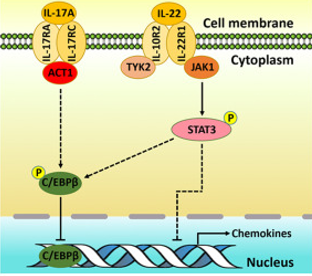
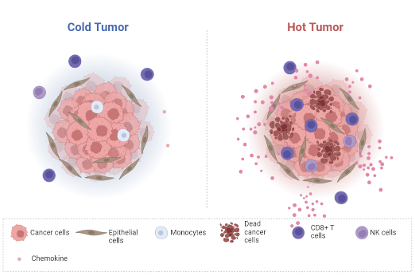
USC researchers have identified C/EBPβ and STAT3 as master epigenetic regulators that suppress chemokine expression in epithelial and tumor cells. Using CRISPR-based functional screening and mechanistic validation, the team demonstrated that inhibition or knockout of C/EBPβ dramatically upregulates key chemokines such as CCL5 and CXCL10, restoring T-cell recruitment into tumors. In preclinical models, C/EBPβ loss converted poorly infiltrated tumors into immune-inflamed tumors and significantly enhanced response to anti–PD-1 therapy. This approach establishes a novel epigenetic strategy to reprogram the tumor microenvironment and sensitize solid tumors to immunotherapy.
Advantages
- Unlocked immune infiltration by robustly increasing tumor-derived chemokines that actively recruit CD8⁺ T cells
- Enhanced checkpoint efficacy by converting immunologically “cold” tumors into T cell–inflamed, therapy-responsive tumors
- Targeted a central transcriptional node (C/EBPβ/STAT3 axis) to broadly regulate multiple chemokines rather than a single pathway
- Enabled combination strategies across CAR-T, TCR-T, and immune checkpoint platforms for solid tumor indications
Stages of Development
- Tested in vitro with murine and human colon epithelial cancer and breast cancer cell lines
- Tested in vivo with murine colitis model and colon cancer model
Publications
https://www.science.org/doi/10.1126/sciadv.ads3530?url_ver=Z39.88-2003&rfr_id=ori:rid:crossref.org&rfr_dat=cr_pub%20%200pubmed